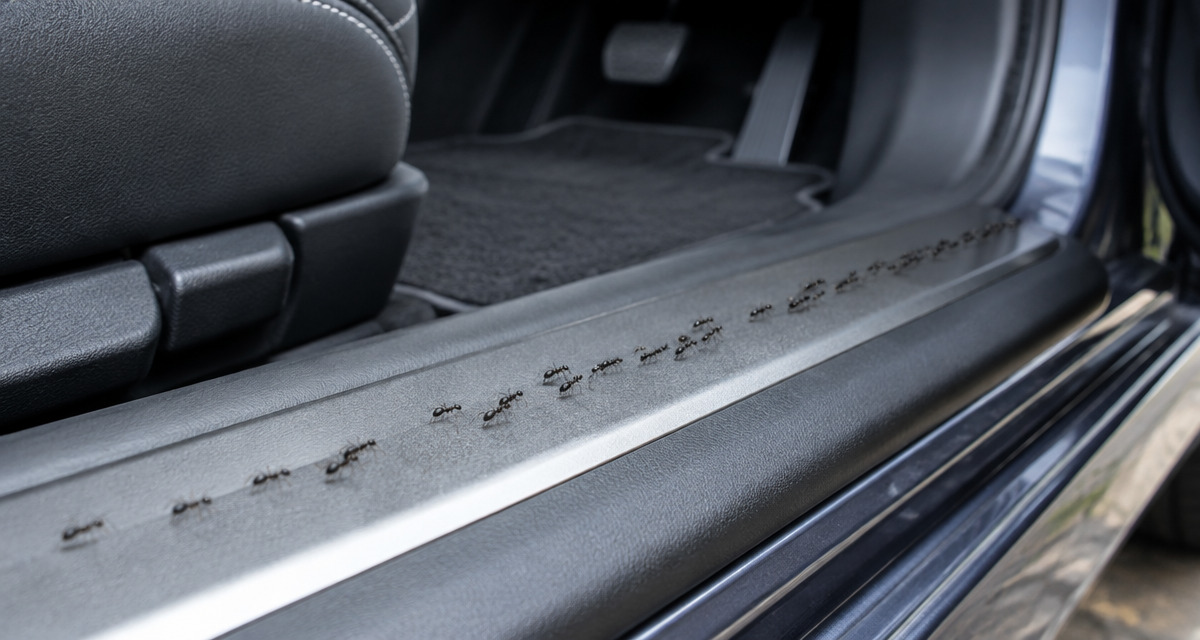
Why Are Ants Attracted to Car Electronics?
Many car owners in Singapore are surprised to find ants deep inside their dashboard or instrument cluster. Unlike food spills which provide a direct food source, electronics attract ants due to the warmth they generate during operation. Additionally, some research suggests that certain ant species are attracted to the localized electromagnetic fields produced by electronic components.
When these pests nest inside, they often bring in soil, moisture, or organic debris to create a shelter. In the confined space of a car’s dashboard, this debris creates a perfect environment for short circuits and corrosion.
- Warmth from electronic components
- Electromagnetic field sensitivity
- Protection from external elements
- Proximity to cabin air conditioning moisture
The Risks of an Ant Nest in Your Car's Wiring
A small ant colony inside your car may seem like a nuisance, but when they colonize sensitive electronic hardware, the consequences can be expensive. As they pile up nesting materials and humidity within your fuse box or audio system, they can bridge connections that aren't meant to touch.
Over time, the accumulation of waste and humidity can lead to oxidation and corrosion of copper wiring. This may manifest as flickering lights, malfunctioning sensors, or even complete failure of electronic units.
- Potential for intermittent short circuits
- Corrosion of sensitive wiring pins
- Erratic behavior of dashboard instruments
- Risk of total electronic component failure
Professional Solutions for Your Vehicle
If you suspect ants are deep within your electronics, avoid spraying household insecticides. These are often oily, can damage delicate plastic components, and may actually push the ants deeper into the dash. Instead, opt for a professional, non-oily treatment that is safe for automotive interiors.
At Cleanic Detailing, we use the MIRAKN dry gas fumigation method. Because it does not leave a greasy residue, it is safe to use in vehicles where you are concerned about sensitive electronics, upholstery, and air ducts.
- $118 MIRAKN Express about 1 hour
- Full MIRAKN fumigation about 1.5 hours
- Full fumigation plus steam cleaning about 3 hours
- Non-oily treatment safe for car interiors
FAQs
Can I use spray to kill ants in my dashboard?
No. Aerosol household sprays are often oil-based, which can leave a sticky residue that attracts more dirt and may potentially damage sensitive electronic boards inside your car.
How do I know if ants are already damaging my car's electronics?
Watch for signs like flickering dashboard lights, unresponsive stereo controls, or unexplained warning lights appearing on your instrument cluster.
Related Cleanic reading
Need to Clear Ants from Your Car?
Don't risk your car's electrical system. Book a professional, non-oily MIRAKN treatment to safely eliminate ants from hard-to-reach areas of your vehicle.
WhatsApp Colin